

In the dynamic world of sports infrastructure, the demand for high-quality sports floors is on the rise. As a dedicated sports floor extrusion line supplier, I understand the importance of efficiency in the manufacturing process. An efficient extrusion line not only increases productivity but also reduces costs and enhances the overall quality of the sports floors produced. In this blog post, I will share some valuable insights on how to improve the efficiency of a sports floor extrusion line.
1. Regular Maintenance and Upgrades
One of the fundamental steps in improving the efficiency of a sports floor extrusion line is regular maintenance. Just like any other machinery, extrusion lines require routine checks, lubrication, and part replacements to operate at their best. A well-maintained machine experiences fewer breakdowns, which means less downtime and more production hours.
For instance, the screws and barrels of the extruder, which play a crucial role in melting and shaping the raw materials, should be inspected regularly for wear and tear. Worn-out screws can lead to inconsistent plasticization, resulting in poor-quality sports floors. By replacing them in a timely manner, you can ensure a smooth and efficient extrusion process.
In addition to maintenance, upgrading the extrusion line with the latest technology can significantly boost efficiency. Newer models often come with advanced features such as improved temperature control systems, more precise screw designs, and enhanced automation capabilities. These features can lead to better product quality, higher production speeds, and reduced energy consumption. For example, an automated control system can adjust the extrusion parameters in real-time based on the production requirements, eliminating the need for manual adjustments and minimizing human error.
2. Raw Material Management
The quality and proper handling of raw materials have a direct impact on the efficiency of the extrusion line. Using high-quality raw materials that are suitable for the specific type of sports floor being produced is essential. Inferior raw materials can cause problems such as blockages in the extruder, inconsistent melt flow, and poor mechanical properties of the final product.
It is also important to manage the raw material inventory effectively. Maintaining an adequate supply of raw materials on-site can prevent production delays caused by shortages. On the other hand, overstocking can tie up capital and lead to material degradation over time. To optimize inventory management, establish a reliable forecasting system based on historical production data and market demand.
Furthermore, proper storage of raw materials is crucial. They should be stored in a clean, dry, and temperature-controlled environment to prevent moisture absorption and contamination. Moisture in the raw materials can cause bubbles and other defects in the sports floors during the extrusion process.
3. Process Optimization
Optimizing the extrusion process is another key factor in improving efficiency. This involves fine-tuning the various parameters such as temperature, pressure, screw speed, and feed rate to achieve the best possible results.
Temperature control is critical in the extrusion process. Different raw materials have different melting points and processing temperatures. By setting the correct temperature profile along the extruder barrel, you can ensure proper plasticization of the raw materials and avoid issues such as overheating or under-melting.
Pressure also plays an important role in the extrusion process. Maintaining the right pressure can help to ensure a consistent flow of the molten plastic and proper shaping of the sports floor. Adjusting the screw speed and feed rate can also affect the pressure and the overall quality of the extrusion. For example, increasing the screw speed can increase the production rate, but it may also lead to higher shear stress and potential degradation of the raw materials if not properly controlled.
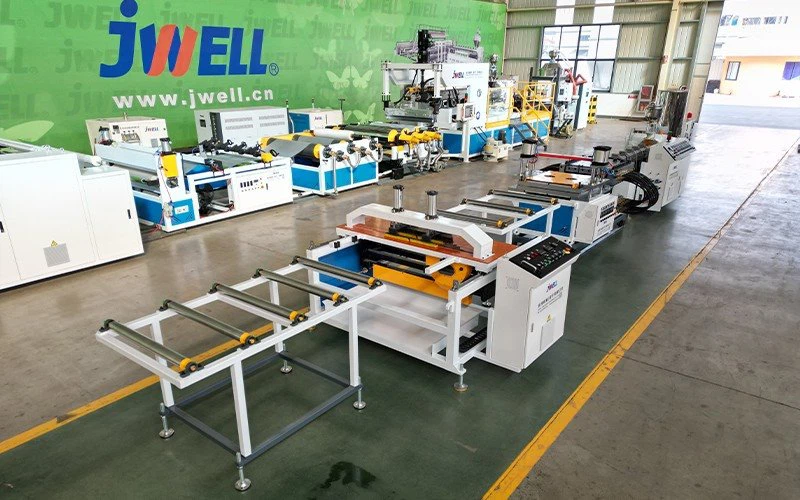
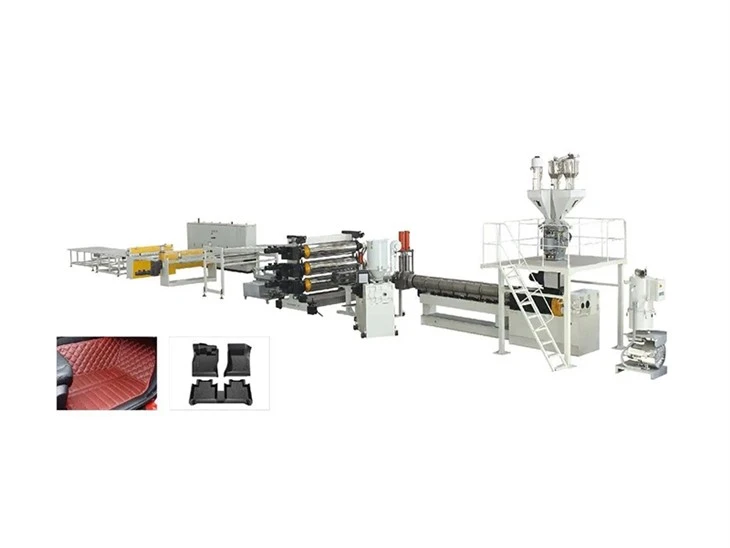
To optimize the process, it is recommended to conduct regular process audits and experiments. By collecting and analyzing data on the extrusion process, you can identify areas for improvement and make adjustments to the parameters accordingly.
4. Staff Training and Skill Development
The efficiency of a sports floor extrusion line also depends on the skills and knowledge of the operators. Providing comprehensive training to the staff is essential to ensure that they can operate the equipment effectively and troubleshoot problems quickly.
The training should cover all aspects of the extrusion process, including machine operation, maintenance, safety procedures, and quality control. Operators should be familiar with the different components of the extrusion line, their functions, and how to perform basic maintenance tasks such as cleaning, lubrication, and part replacement.
In addition to initial training, ongoing skill development programs should be implemented to keep the staff updated with the latest technology and best practices in the industry. This can include attending industry seminars, workshops, and training courses. By investing in staff training, you can improve the overall efficiency of the extrusion line and reduce the risk of operator errors.
5. Integration of Automation and Smart Technologies
In today's digital age, the integration of automation and smart technologies can revolutionize the efficiency of a sports floor extrusion line. Automation can eliminate many of the manual tasks involved in the extrusion process, such as material feeding, product cutting, and quality inspection. This not only reduces labor costs but also improves the accuracy and consistency of the production.
Smart technologies, such as Internet of Things (IoT) sensors and data analytics, can provide real-time monitoring and analysis of the extrusion process. These sensors can collect data on various parameters such as temperature, pressure, and production speed, and transmit it to a central control system. By analyzing this data, operators can identify potential problems before they occur and make proactive adjustments to the process.
For example, an IoT sensor attached to the extruder can detect abnormal temperature fluctuations and send an alert to the operator's mobile device. The operator can then take immediate action to prevent a breakdown or product quality issue.
6. Continuous Improvement and Quality Control
Continuous improvement is a philosophy that should be embraced in every aspect of the sports floor extrusion line operation. By regularly reviewing the production process, analyzing data, and seeking feedback from customers and employees, you can identify areas for improvement and implement changes to enhance efficiency.
Quality control is also an integral part of continuous improvement. Implementing a rigorous quality control system can help to ensure that the sports floors produced meet the highest standards. This can include in-process inspections, final product testing, and compliance with relevant industry standards and regulations.
By focusing on quality control, you can reduce the number of defective products, which not only saves time and resources but also improves customer satisfaction.
As a sports floor extrusion line supplier, we offer a wide range of high-quality extrusion lines, including the Fully Automatic TPE Car Floor Mat Extrusion Line, HDPE Automotive Liner Plate Composite Plate Extrusion Line, and PEEK PPS ABS Cold Extrusion Rod and Plate Production Line. These extrusion lines are designed with the latest technology and features to ensure high efficiency and excellent product quality.
If you are interested in improving the efficiency of your sports floor extrusion line or looking for a reliable extrusion line supplier, please contact us for a consultation. We are committed to providing you with the best solutions and support to help you achieve your production goals.
References
- Smith, J. (2020). Extrusion Technology for Plastics. Elsevier.
- Brown, A. (2019). Quality Control in Extrusion Processes. Springer.
- Green, C. (2021). Automation in Manufacturing: A Practical Guide. Wiley.