

Hey there! As a supplier of PVC Sheet Extrusion Lines, I often get asked about the waste generation of these machines. It's a crucial topic, not just for environmental reasons but also for cost - efficiency in production. So, let's dive right in and talk about what the waste generation of a PVC sheet extrusion line actually is.
Understanding the PVC Sheet Extrusion Process
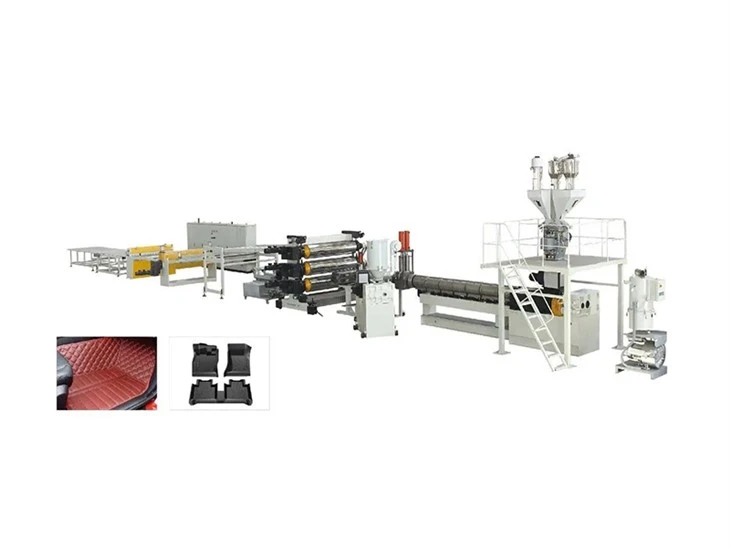
Before we get into waste generation, it's important to understand how a PVC sheet extrusion line works. In simple terms, PVC resin, along with various additives like stabilizers, plasticizers, and pigments, is fed into an extruder. The extruder heats and melts the PVC mixture, then pushes it through a die to form a continuous sheet. After that, the sheet goes through a cooling process, and finally, it's cut to the desired size.
Types of Waste Generated
1. Start - up and Shut - down Waste
When you start up a PVC sheet extrusion line, it takes some time to get the process running smoothly. During this start - up phase, the initial output might not meet the quality standards. The temperature, pressure, and flow rate need to be adjusted to the optimal levels. As a result, the first few meters of the sheet are often scrapped. Similarly, when shutting down the line, the remaining PVC in the extruder and die needs to be removed, which also creates waste.
2. Defective Product Waste
Even during normal operation, there can be defective products. These defects can occur due to various reasons. For example, if there are impurities in the PVC resin or additives, it can lead to visible flaws on the sheet. Uneven temperature distribution in the extruder can cause inconsistent thickness or surface quality. Sometimes, mechanical issues like a worn - out die or a malfunctioning cooling system can also result in defective sheets. All these defective products end up as waste.
3. Trim Waste
After the PVC sheet is formed, it usually needs to be trimmed to the correct width and length. The excess material that is cut off during this trimming process is considered waste. The amount of trim waste depends on the precision of the cutting equipment and the required dimensions of the final product.
Factors Affecting Waste Generation
1. Equipment Quality
High - quality PVC sheet extrusion lines are generally more efficient and produce less waste. Advanced extruders have better temperature and pressure control systems, which can reduce the start - up and shut - down waste. Precision cutting equipment can minimize trim waste by making accurate cuts. For instance, some of our state - of - the - art extrusion lines are designed with the latest technology to ensure minimal waste generation.

2. Operator Skill
The skill level of the operators also plays a significant role. Experienced operators know how to adjust the equipment settings quickly during start - up and shut - down, reducing the amount of waste produced. They can also detect and correct problems early in the production process, preventing the creation of defective products.
3. Raw Material Quality
Using high - quality PVC resin and additives can reduce waste. Pure and consistent raw materials are less likely to cause defects in the final product. On the other hand, low - quality raw materials may contain impurities or have inconsistent properties, leading to more defective products and waste.
Reducing Waste Generation
1. Recycling
One of the most effective ways to deal with waste from a PVC sheet extrusion line is recycling. The scrap PVC can be ground up and reused in the production process. However, it's important to note that the recycled PVC may have slightly different properties compared to the virgin material. So, it needs to be carefully blended with the new PVC resin to ensure the quality of the final product.
2. Process Optimization
By optimizing the extrusion process, we can significantly reduce waste. This includes fine - tuning the temperature, pressure, and flow rate settings. Regular maintenance of the equipment is also crucial to prevent mechanical issues that can lead to defective products. Additionally, using advanced sensors and control systems can help monitor the process in real - time and make adjustments as needed.
3. Training Operators
Well - trained operators are key to minimizing waste. We offer comprehensive training programs for our customers' operators. These programs cover everything from start - up and shut - down procedures to troubleshooting common problems. By improving the operators' skills, we can ensure a more efficient production process with less waste.
Comparing with Other Extrusion Lines
If you're in the market for an extrusion line, it's worth comparing the waste generation of different types. For example, our Automotive Interior TPU Over ABS Composite Panel Extrusion Line has a unique design that reduces waste through precise control of the composite materials. Similarly, the Fully Automatic TPE Car Floor Mat Extrusion Line is engineered to minimize scrap during the production of car floor mats. And the HDPE Automotive Liner Plate Composite Plate Extrusion Line uses advanced technology to ensure high - quality output with less waste.
Conclusion
Waste generation is an important aspect of running a PVC sheet extrusion line. By understanding the types of waste, the factors that affect it, and the ways to reduce it, you can make your production process more sustainable and cost - effective. As a supplier, we're committed to providing you with high - quality extrusion lines that minimize waste. If you're interested in learning more about our PVC sheet extrusion lines or any of our other products, don't hesitate to get in touch. We're here to help you find the best solution for your production needs and answer any questions you might have.
References
- "Plastics Extrusion Technology Handbook" by Allan A. Griff
- "Extrusion of Plastics: Theory and Practice" by John Vlachopoulos