

Hey there! As a supplier of PET sheet extrusion machines, I know how crucial it is to keep the cooling system in top - notch condition. A well - maintained cooling system can significantly extend the lifespan of your machine and ensure high - quality sheet production. So, let's dive into how you can maintain the cooling system of a PET sheet extrusion machine.
Understanding the Cooling System in a PET Sheet Extrusion Machine
First off, you gotta understand what the cooling system in a PET sheet extrusion machine does. It's responsible for removing the heat generated during the extrusion process. When the molten PET material is pushed through the extruder, it gets super hot. The cooling system cools down the extruded sheet to a solid state at the right speed, so you get a flat, smooth, and dimensionally stable PET sheet.
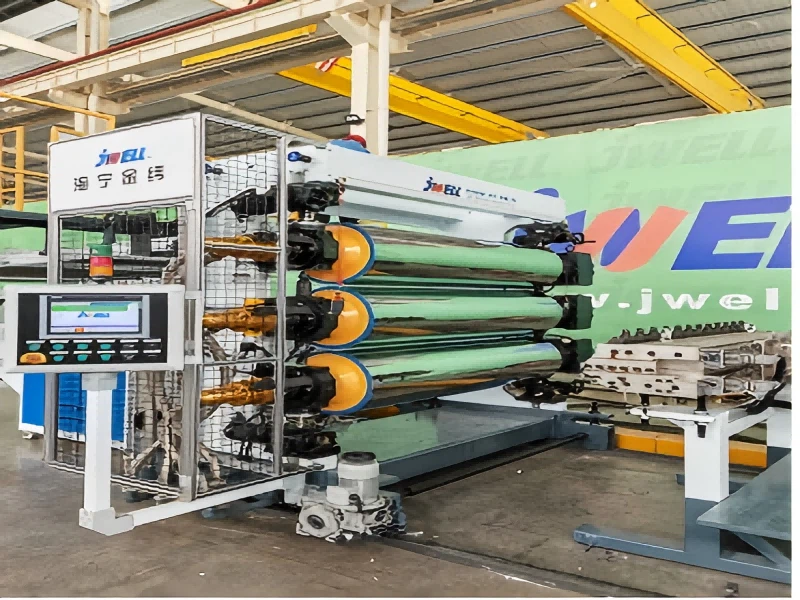
The main components of the cooling system usually include a cooling water tank, pumps, pipes, and cooling rolls. The cooling water tank stores the water used for cooling. Pumps circulate the water through the pipes to the cooling rolls, which come into direct contact with the extruded PET sheet.
Regular Inspection of the Cooling System
One of the most important steps in maintaining the cooling system is regular inspection. You should check the cooling system at least once a week, or more frequently if your machine runs continuously for long hours.
Check the Water Level
Start by checking the water level in the cooling water tank. If the water level is too low, it can cause the pump to overheat and damage the cooling system. Make sure to refill the tank with clean water regularly. You can use a simple dipstick or a water level sensor to monitor the water level.

Inspect the Pipes
Next, take a look at the pipes. Check for any signs of leaks, cracks, or blockages. Leaky pipes can lead to a loss of cooling water, which can affect the cooling efficiency. If you find any leaks, you can use pipe sealant or replace the damaged section of the pipe. Blockages can be caused by dirt, debris, or mineral deposits. You can use a pipe cleaner or flush the pipes with a descaling solution to remove the blockages.
Examine the Cooling Rolls
The cooling rolls are in direct contact with the extruded PET sheet, so they need special attention. Check for any signs of wear and tear, such as scratches or dents. Worn - out cooling rolls can cause uneven cooling of the PET sheet, resulting in defects like warping or thickness variations. If you notice any damage to the cooling rolls, you may need to replace them.
Water Quality Management
The quality of the water used in the cooling system is also very important. Poor - quality water can cause a lot of problems, such as corrosion, scaling, and the growth of algae and bacteria.
Use Filtered Water
It's a good idea to use filtered water in the cooling system. You can install a water filter at the inlet of the cooling water tank to remove dirt, debris, and other impurities. This can help prevent blockages in the pipes and reduce the risk of corrosion.
Add Water Treatment Chemicals
To prevent scaling and corrosion, you can add water treatment chemicals to the cooling water. There are different types of chemicals available, such as anti - scale agents and corrosion inhibitors. Make sure to follow the manufacturer's instructions when adding these chemicals. You should also test the water regularly to ensure that the chemical levels are within the recommended range.
Control the pH Level
The pH level of the cooling water is another important factor. The ideal pH range for the cooling water in a PET sheet extrusion machine is usually between 7 and 8.5. If the pH level is too low, the water can be acidic and cause corrosion. If the pH level is too high, it can lead to scaling. You can use a pH meter to measure the pH level of the water and add pH - adjusting chemicals if necessary.
Maintenance of the Pumps
The pumps play a vital role in circulating the cooling water through the system. Proper maintenance of the pumps is essential for the efficient operation of the cooling system.
Lubrication
Most pumps require regular lubrication to reduce friction and prevent wear. Check the pump's manual to find out what type of lubricant to use and how often to lubricate the pump. Make sure to apply the lubricant in the right amount. Too much lubricant can cause overheating, while too little can lead to increased friction and damage to the pump.
Check the Pump Motor
The pump motor is the power source of the pump. Check the motor regularly for any signs of overheating, unusual noises, or vibration. Overheating can be caused by a variety of factors, such as a clogged air filter or a faulty motor winding. If you notice any problems with the pump motor, it's best to call a professional technician to repair it.
Cleaning the Cooling System
Periodic cleaning of the cooling system is necessary to remove dirt, debris, and mineral deposits. You should clean the cooling system at least once every three months.
Flush the System
To clean the cooling system, start by flushing it with clean water. Turn off the machine and drain the water from the cooling water tank, pipes, and cooling rolls. Then, refill the tank with clean water and run the pump to circulate the water through the system for about 15 - 20 minutes. This will help remove any loose dirt and debris.
Use a Descaling Agent
After flushing the system, you can use a descaling agent to remove the mineral deposits. Follow the manufacturer's instructions when using the descaling agent. Usually, you need to mix the descaling agent with water in the cooling water tank and run the pump to circulate the solution through the system for a certain period of time. Then, drain the solution and flush the system again with clean water.
Importance of Professional Maintenance
While regular in - house maintenance is important, it's also a good idea to have your PET sheet extrusion machine's cooling system professionally maintained at least once a year. Professional technicians have the expertise and tools to perform a thorough inspection and maintenance of the cooling system. They can identify potential problems that you may not notice and provide solutions to prevent breakdowns.
Conclusion
Maintaining the cooling system of a PET sheet extrusion machine is not rocket science, but it does require regular attention and care. By following the steps outlined above, you can ensure that your cooling system operates efficiently, which will ultimately lead to better - quality PET sheets and longer machine life.
If you're in the market for a new PET sheet extrusion machine or need any advice on maintaining your existing machine, we're here to help. We also offer a range of other extrusion machines, such as the Single - layer Or Multi - layer Sheet Extrusion Machine, PS PP Sheet Extrusion Line, and ABS HIPS Blister Sheet Extrusion Machine. Don't hesitate to reach out to us for more information and to start a procurement discussion.
References
- "Extrusion of Plastics: Theory and Practice" by John A. Brydson
- Manufacturer's manuals of PET sheet extrusion machines