

Hey there! As a supplier of film extrusion lines, I've seen my fair share of issues during the film production process. One of the most common headaches is the formation of bubbles in the film. Not only do these bubbles mess up the appearance of the final product, but they can also affect its quality and performance. So, in this blog, I'm gonna share some tips on how to prevent those pesky bubbles from showing up in your film extrusion line.
Understanding the Causes of Bubble Formation
Before we dive into the prevention methods, it's important to understand what causes bubbles in the first place. There are several factors that can contribute to bubble formation during film extrusion:
- Moisture in the Resin: If the resin used in the extrusion process contains moisture, it can turn into steam when heated, causing bubbles to form in the film.
- Air Entrapment: During the feeding or melting process, air can get trapped in the resin, leading to bubble formation.
- Improper Screw Design: A poorly designed screw can cause uneven melting and mixing of the resin, resulting in air pockets and bubbles.
- High Extrusion Temperature: Excessive heat can cause the resin to degrade and release gases, which can form bubbles in the film.
- Inadequate Venting: If the extrusion line doesn't have proper venting, the gases generated during the process can't escape, leading to bubble formation.
Preventive Measures
1. Proper Resin Drying
The first step in preventing bubble formation is to ensure that the resin is properly dried before it enters the extrusion line. Most resins absorb moisture from the air, especially in humid environments. To remove this moisture, you can use a desiccant dryer or a hopper dryer. Make sure to follow the manufacturer's recommendations for drying time and temperature to ensure that the resin is completely dry.
2. Optimize Feeding System
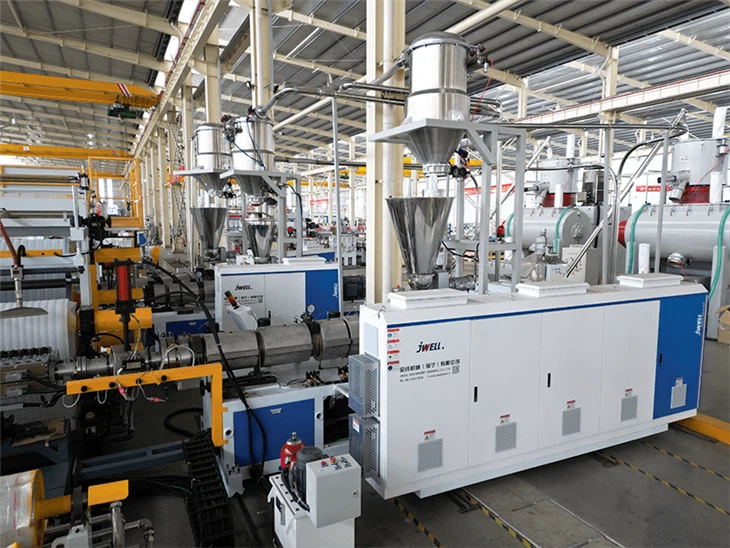
To prevent air entrapment, it's important to optimize the feeding system of your extrusion line. Use a volumetric or gravimetric feeder to ensure a consistent and accurate flow of resin into the extruder. Make sure the feeder is properly sealed to prevent air from entering the system. Additionally, you can use a degassing unit to remove any air trapped in the resin before it enters the extruder.
3. Choose the Right Screw Design
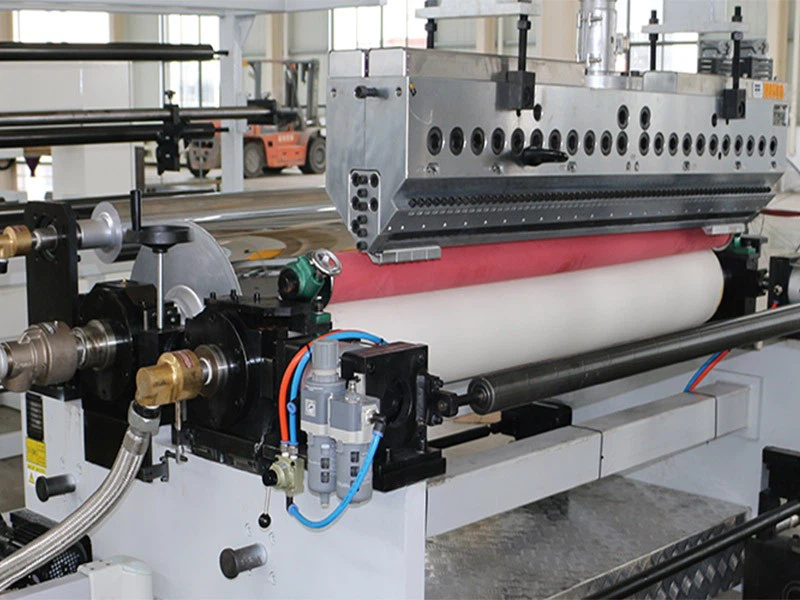
The screw design plays a crucial role in the melting and mixing of the resin. A well-designed screw can ensure uniform melting and mixing, reducing the chances of air pockets and bubbles. When choosing a screw, consider the type of resin you're using, the extrusion speed, and the desired film thickness. You may also want to consult with a screw manufacturer or an extrusion expert to get the best screw design for your specific application.
4. Control Extrusion Temperature
Maintaining the right extrusion temperature is essential for preventing bubble formation. If the temperature is too high, the resin can degrade and release gases, leading to bubbles. On the other hand, if the temperature is too low, the resin may not melt properly, resulting in uneven film quality. Use a temperature controller to monitor and adjust the extrusion temperature according to the resin's specifications.
5. Ensure Adequate Venting
Proper venting is crucial for allowing the gases generated during the extrusion process to escape. Make sure your extrusion line has adequate venting ports and that they are clean and unobstructed. You can also use a vacuum venting system to remove the gases more effectively. Regularly check the venting system to ensure that it's working properly.
6. Use Additives
In some cases, using additives can help prevent bubble formation. For example, anti-foaming agents can reduce the surface tension of the resin, preventing the formation of bubbles. Nucleating agents can also be used to promote the formation of small, uniform bubbles, which are less likely to cause problems in the final film. However, make sure to choose the right additives for your specific resin and application, and follow the manufacturer's recommendations for usage.
Case Studies
Let's take a look at a couple of case studies to see how these preventive measures can be applied in real-world scenarios.
Case Study 1: TPU Film Extrusion Line
A customer was experiencing bubble formation in their TPU Film Extrusion Line. After analyzing the process, we found that the resin was not being dried properly, and there was air entrapment in the feeding system. We recommended using a desiccant dryer to dry the resin and optimizing the feeding system to prevent air from entering. We also adjusted the screw design to improve melting and mixing. After implementing these changes, the customer noticed a significant reduction in bubble formation, and the quality of the TPU film improved.
Case Study 2: TPO EVA Waterproof Roll Extrusion Line
Another customer was having issues with bubble formation in their TPO EVA Waterproof Roll Extrusion Line. The problem was caused by high extrusion temperature and inadequate venting. We recommended reducing the extrusion temperature and installing a vacuum venting system to remove the gases more effectively. After making these changes, the bubble formation was greatly reduced, and the waterproof rolls had a smoother and more uniform appearance.
Conclusion
Preventing bubble formation in the film during the production of a film extrusion line requires a combination of proper resin handling, optimized equipment design, and careful process control. By following the tips and techniques outlined in this blog, you can significantly reduce the occurrence of bubbles and improve the quality of your films.
If you're looking for a reliable film extrusion line or need help with optimizing your existing line, don't hesitate to contact us. We have a wide range of film extrusion lines, including ASA Film Extrusion Line, to meet your specific needs. Our team of experts can provide you with personalized solutions and support to ensure the success of your film production process.
References
- "Plastics Extrusion Technology Handbook" by Allan A. Griff
- "Extrusion: The Definitive Processing Guide and Handbook" by Christopher Rauwendaal