

Hey there! I'm a supplier of synthetic leather production lines. Today, I wanna chat about the environmental impacts of these production lines. It's a hot topic, and as someone in the industry, I think it's crucial to understand the good and the bad sides.
Raw Material Sourcing
Let's start with where the raw materials come from. Synthetic leather is often made from polyurethane (PU) or polyvinyl chloride (PVC). To produce these materials, we rely on petrochemicals. Petrochemical extraction is a major environmental concern. Drilling for oil and gas, which are the sources of these petrochemicals, can lead to habitat destruction. Oil spills during extraction or transportation can contaminate water bodies, harming aquatic life and ecosystems. For instance, the Deepwater Horizon oil spill in 2010 had a devastating impact on the Gulf of Mexico's marine environment.
Moreover, the refining process of petrochemicals is energy - intensive. It requires a large amount of fossil fuel combustion, which releases a significant amount of greenhouse gases like carbon dioxide. These emissions contribute to global warming and climate change. Rising global temperatures can lead to sea - level rise, more extreme weather events, and disruptions to ecosystems around the world.
Chemical Usage in Production
During the production of synthetic leather, a variety of chemicals are used. These include solvents, dyes, and additives. Solvents are used to dissolve the polymers and help in the coating process. Many of these solvents are volatile organic compounds (VOCs). When released into the atmosphere, VOCs can react with nitrogen oxides in the presence of sunlight to form ground - level ozone. Ground - level ozone is a major component of smog, which can cause respiratory problems for humans, such as coughing, wheezing, and shortness of breath. It also damages plants, reducing crop yields and harming natural vegetation.
Dyes are used to give synthetic leather its color. Some dyes contain heavy metals like lead, mercury, and cadmium. If these dyes are not properly managed, they can contaminate water sources. When heavy metals enter water bodies, they can accumulate in the tissues of aquatic organisms. As these organisms are consumed by other animals in the food chain, the heavy metals can biomagnify, reaching toxic levels in top predators, including humans.
Additives are used to improve the properties of synthetic leather, such as its durability and flexibility. However, some of these additives can be persistent organic pollutants (POPs). POPs are chemicals that are resistant to degradation, can travel long distances in the environment, and can accumulate in the fatty tissues of living organisms. They have been linked to a range of health problems, including cancer, reproductive disorders, and immune system damage.

Energy Consumption
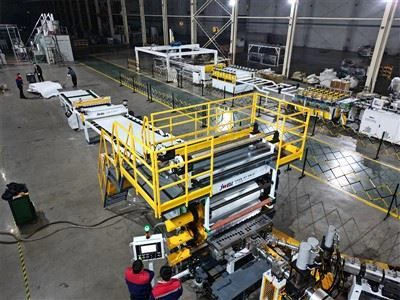
The synthetic leather production line is an energy - hungry operation. There are multiple steps in the production process, from heating and melting the polymers to running the machinery for coating and finishing. Most of the energy used comes from fossil fuels, such as coal, oil, and natural gas. As mentioned earlier, the combustion of these fossil fuels releases greenhouse gases.
In addition to greenhouse gas emissions, the high energy consumption also means a greater demand for power generation. This can put pressure on natural resources, such as water for cooling in power plants. Water scarcity is already a major issue in many parts of the world, and the large - scale water usage in power generation can exacerbate this problem.
Waste Generation
Waste is another significant environmental impact of synthetic leather production. There are two main types of waste: solid waste and liquid waste. Solid waste includes scraps of synthetic leather, packaging materials, and used filters. These scraps are often difficult to recycle because of the complex composition of synthetic leather, which contains multiple layers of different materials. As a result, a large portion of this solid waste ends up in landfills. In landfills, synthetic leather can take a long time to decompose, and it may release harmful chemicals as it breaks down over time.
Liquid waste is generated from the washing and cleaning processes in the production line. This waste water contains chemicals, dyes, and solvents. If not properly treated, this waste water can contaminate local water sources. Polluted water can harm aquatic life, make water unfit for human consumption, and damage agricultural land if used for irrigation.
Positive Environmental Aspects
However, it's not all bad news. Compared to natural leather production, synthetic leather has some environmental advantages. Natural leather production requires raising livestock, which is a major source of methane emissions. Methane is a much more potent greenhouse gas than carbon dioxide, with a much higher global warming potential. Livestock also require large amounts of land for grazing and feed production, which can lead to deforestation. Deforestation reduces the number of trees that can absorb carbon dioxide from the atmosphere, further contributing to climate change.
Synthetic leather production can also be more efficient in terms of resource use. With advancements in technology, modern synthetic leather production lines can use less water and energy compared to traditional production methods. Some companies are also exploring the use of recycled materials in the production of synthetic leather. For example, recycled plastics can be used as a raw material, reducing the demand for virgin petrochemicals.
Our Role as a Supplier
As a supplier of synthetic leather production lines, we have a responsibility to address these environmental impacts. We can offer production lines that are more energy - efficient. For example, we can provide equipment with better insulation and more advanced heating and cooling systems to reduce energy consumption.
We can also promote the use of environmentally friendly chemicals. There are now alternative solvents and dyes that are less toxic and have lower VOC emissions. By working with our customers, we can encourage the adoption of these greener chemicals in the production process.
In addition, we can support the development of recycling technologies for synthetic leather waste. This can help reduce the amount of waste going to landfills and make the production process more sustainable.
Related Production Lines
If you're interested in other types of production lines, we also offer some great options. For example, the LFT CFP FRP CFRT Continuous Fiber Reinforced Composite Production Line is a high - tech production line that can produce high - strength composite materials. The Automotive Interior TPU Over ABS Composite Panel Extrusion Line is perfect for manufacturing automotive interior panels with excellent properties. And the PMMA GPPS Plastic Endurance Board Extrusion Line can produce plastic boards with high durability.
Let's Connect
If you're in the market for a synthetic leather production line or any of our other products, I'd love to have a chat with you. We can discuss how we can meet your production needs while also minimizing the environmental impact. Contact us to start the procurement negotiation process and take your business to the next level.
References
- "State of the Global Climate" reports by the World Meteorological Organization.
- "Environmental Impact of Chemicals in Textile and Leather Industries" by the United Nations Environment Programme.
- "The Role of Energy Efficiency in Reducing Greenhouse Gas Emissions" from the International Energy Agency.