

Changing the production specifications of a plastic sheet line is a complex yet crucial process that can significantly impact the quality, efficiency, and profitability of your plastic sheet manufacturing operations. As a plastic sheet line supplier, I understand the challenges and opportunities that come with modifying production specifications. In this blog post, I will share some insights and practical steps on how to change the production specifications of a plastic sheet line effectively.
Understanding the Need for Specification Changes
Before diving into the process of changing production specifications, it is essential to understand the reasons behind the change. There are several factors that may prompt a need to modify the production specifications of a plastic sheet line, including:
- Market Demand: Changes in market trends, customer preferences, or regulatory requirements may necessitate the production of plastic sheets with different properties, such as thickness, width, color, or material composition.
- Product Innovation: Developing new products or improving existing ones may require adjustments to the production specifications to achieve the desired performance characteristics.
- Cost Optimization: Modifying production specifications can help reduce production costs by optimizing material usage, improving production efficiency, or reducing waste.
- Equipment Upgrades: Upgrading or replacing equipment in the plastic sheet line may require changes to the production specifications to ensure compatibility and optimal performance.
Assessing the Current Production Line
Once you have identified the need for specification changes, the next step is to assess the current production line to determine its capabilities and limitations. This assessment will help you understand what changes are feasible and what modifications may be required to achieve the desired specifications. Here are some key aspects to consider during the assessment:
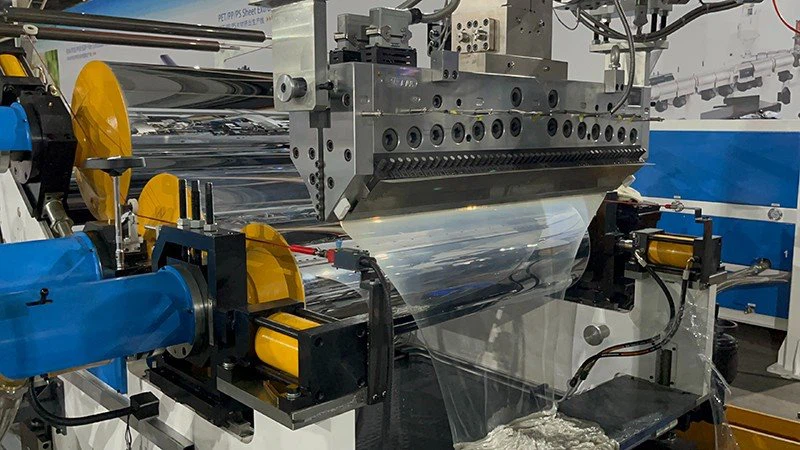
- Equipment Capabilities: Evaluate the capabilities of the existing equipment in the plastic sheet line, including extruders, dies, rollers, and cooling systems. Determine if the equipment can handle the desired changes in production specifications, such as increased throughput, different material types, or tighter tolerances.
- Process Parameters: Review the current process parameters, such as temperature, pressure, speed, and flow rate, to ensure they are optimized for the existing production specifications. Identify any potential bottlenecks or areas for improvement that may affect the ability to change the specifications.
- Quality Control: Assess the current quality control measures in place to ensure that the plastic sheets meet the desired specifications. Determine if any additional quality control steps or equipment may be required to maintain or improve the quality of the products after the specification changes.
- Operator Training: Evaluate the skills and knowledge of the operators who will be responsible for operating the plastic sheet line after the specification changes. Provide any necessary training or support to ensure they are familiar with the new specifications and operating procedures.
Developing a Plan for Specification Changes
Based on the assessment of the current production line, develop a detailed plan for changing the production specifications. The plan should outline the specific changes that need to be made, the timeline for implementation, the resources required, and the potential risks and challenges associated with the changes. Here are some key steps to include in the plan:
- Define the New Specifications: Clearly define the new production specifications, including the desired thickness, width, length, color, material composition, and any other relevant properties. Ensure that the specifications are realistic and achievable based on the capabilities of the existing equipment and the available resources.
- Identify the Required Modifications: Determine the modifications that need to be made to the equipment, process parameters, or quality control measures to achieve the new specifications. This may include upgrading or replacing equipment, adjusting process settings, or implementing new quality control procedures.
- Develop a Timeline: Create a detailed timeline for implementing the specification changes, including milestones and deadlines for each step of the process. Consider any potential disruptions to production and plan accordingly to minimize downtime and ensure a smooth transition.
- Allocate Resources: Identify the resources required to implement the specification changes, including equipment, materials, labor, and training. Ensure that the necessary resources are available and budgeted for in advance.
- Conduct a Risk Assessment: Identify any potential risks or challenges associated with the specification changes, such as equipment failure, quality issues, or production delays. Develop contingency plans to mitigate these risks and ensure that the changes can be implemented successfully.
Implementing the Specification Changes
Once the plan for specification changes has been developed, it is time to implement the changes. This process may involve several steps, including equipment modifications, process adjustments, and operator training. Here are some key considerations during the implementation phase:
- Equipment Modifications: If the specification changes require equipment modifications, ensure that the modifications are carried out by qualified technicians or engineers. Follow the manufacturer's instructions and guidelines to ensure that the equipment is modified safely and correctly.
- Process Adjustments: Adjust the process parameters, such as temperature, pressure, speed, and flow rate, to optimize the production process for the new specifications. Conduct thorough testing and validation to ensure that the process is stable and consistent.
- Operator Training: Provide comprehensive training to the operators who will be responsible for operating the plastic sheet line after the specification changes. Ensure that they are familiar with the new specifications, operating procedures, and quality control measures.
- Quality Control: Implement additional quality control measures, such as in-line inspection systems or laboratory testing, to ensure that the plastic sheets meet the new specifications. Monitor the quality of the products closely during the implementation phase and make any necessary adjustments to the process or equipment.
- Documentation and Record-Keeping: Maintain detailed documentation of the specification changes, including equipment modifications, process adjustments, and quality control results. This documentation will be useful for future reference and for ensuring compliance with regulatory requirements.
Testing and Validation
After the specification changes have been implemented, it is important to conduct thorough testing and validation to ensure that the plastic sheets meet the desired specifications. This process may involve several types of tests, including physical, mechanical, and chemical tests. Here are some key steps to consider during the testing and validation phase:
- Sample Testing: Collect samples of the plastic sheets produced after the specification changes and conduct a series of tests to evaluate their physical, mechanical, and chemical properties. Compare the test results with the desired specifications to ensure that the products meet the requirements.
- Process Validation: Validate the production process to ensure that it is capable of consistently producing plastic sheets that meet the new specifications. Conduct multiple production runs and collect data on key process parameters and product quality to demonstrate the stability and reproducibility of the process.
- Customer Feedback: Obtain feedback from customers who will be using the plastic sheets after the specification changes. This feedback can provide valuable insights into the performance and suitability of the products and help identify any areas for improvement.
- Regulatory Compliance: Ensure that the plastic sheets produced after the specification changes comply with all relevant regulatory requirements, such as safety standards, environmental regulations, and industry guidelines. Conduct any necessary tests or certifications to demonstrate compliance.
Monitoring and Continuous Improvement
Once the specification changes have been successfully implemented and the plastic sheets have been tested and validated, it is important to monitor the production process and the quality of the products on an ongoing basis. This will help ensure that the production line continues to operate efficiently and that the products consistently meet the desired specifications. Here are some key steps to consider for monitoring and continuous improvement:

- Performance Monitoring: Establish a system for monitoring key performance indicators (KPIs), such as production throughput, product quality, and equipment uptime. Regularly review the KPIs to identify any trends or issues that may require attention.
- Quality Control Checks: Conduct regular quality control checks on the plastic sheets produced to ensure that they continue to meet the desired specifications. Use statistical process control techniques to monitor the quality of the products and identify any potential quality issues early on.
- Process Optimization: Continuously look for opportunities to optimize the production process and improve the efficiency and quality of the products. This may involve adjusting process parameters, upgrading equipment, or implementing new technologies.
- Customer Feedback: Solicit feedback from customers on an ongoing basis to understand their needs and expectations. Use this feedback to identify areas for improvement and make any necessary adjustments to the production specifications or process.
Conclusion
Changing the production specifications of a plastic sheet line is a complex process that requires careful planning, implementation, and monitoring. By following the steps outlined in this blog post, you can effectively change the production specifications of your plastic sheet line to meet the changing needs of the market and improve the quality, efficiency, and profitability of your manufacturing operations.
If you are interested in learning more about our PLA Degradable Sheet Extrusion Line, PS PP Sheet Extrusion Line, or PET GAG Sheet Extrusion Machine, please feel free to contact us to discuss your specific requirements and explore how we can help you achieve your production goals.
References
- "Plastic Extrusion Technology Handbook" by D. V. Rosato and D. V. Rosato Jr.
- "Plastics Processing: Modeling and Simulation" by O. G. Jeelani and S. K. Gupta.
- "Quality Control in Plastic Manufacturing" by R. K. Rattan.