

Hey there! As a supplier of PP sheet extrusion lines, I know how important it is to keep these machines running smoothly. A well-maintained PP sheet extrusion line not only ensures high-quality production but also extends the lifespan of the equipment, saving you time and money in the long run. In this blog, I'll share some practical tips on how to maintain a PP sheet extrusion line effectively.
Regular Cleaning and Inspection
One of the most basic yet crucial aspects of maintaining a PP sheet extrusion line is regular cleaning and inspection. Over time, dust, debris, and polymer residues can accumulate on the machine's components, which can affect its performance and lead to breakdowns.
-
Daily Cleaning: Start by cleaning the exterior of the extrusion line every day. Use a soft cloth or a brush to remove any loose dirt or dust. Pay special attention to the areas around the hopper, feed throat, and die, as these are the places where polymer particles are most likely to accumulate.
-
Periodic Internal Cleaning: In addition to daily cleaning, you should also perform a more thorough internal cleaning of the extrusion line on a regular basis. This involves disassembling the machine's components, such as the screws, barrels, and dies, and cleaning them with a suitable solvent. Make sure to follow the manufacturer's instructions when cleaning these components to avoid damaging them.
-
Inspection: Along with cleaning, regular inspection is essential to identify any potential issues before they become major problems. Check the machine's belts, chains, bearings, and electrical connections for signs of wear and tear. Look for any leaks, loose parts, or abnormal noises during operation. If you notice any issues, address them immediately to prevent further damage.
Lubrication
Proper lubrication is another key factor in maintaining a PP sheet extrusion line. Lubricants help reduce friction between moving parts, prevent wear and tear, and ensure smooth operation.
-
Follow the Manufacturer's Recommendations: Different components of the extrusion line may require different types of lubricants. Refer to the manufacturer's manual to determine the appropriate lubricant for each part and the recommended lubrication intervals.
-
Apply Lubricant Correctly: When applying lubricant, make sure to use the right amount. Too much lubricant can attract dirt and debris, while too little can cause excessive friction. Use a clean applicator to apply the lubricant evenly to the specified areas.
-
Monitor Lubricant Levels: Regularly check the lubricant levels in the machine's lubrication system. If the levels are low, refill them promptly to prevent damage to the components.
Temperature and Pressure Control
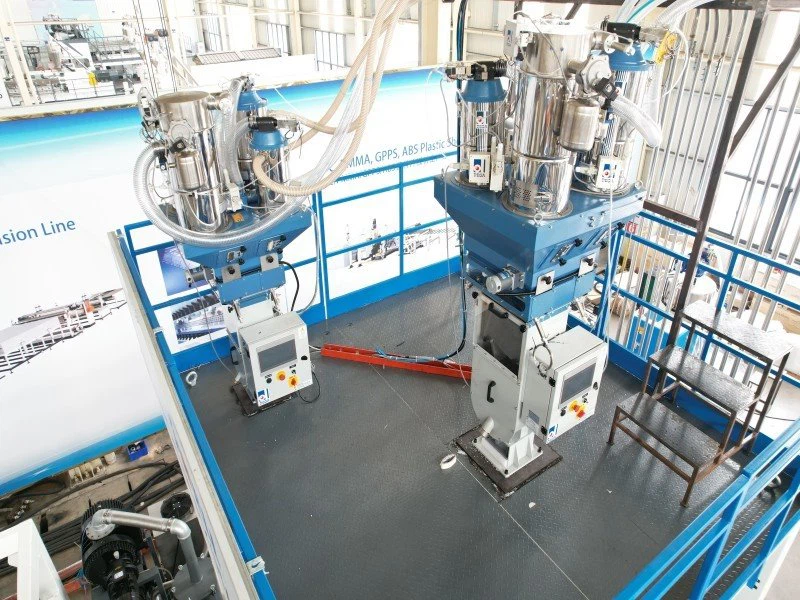
Maintaining the correct temperature and pressure is crucial for the proper functioning of a PP sheet extrusion line. Incorrect temperature and pressure can result in poor-quality products, reduced production efficiency, and even damage to the machine.

-
Monitor Temperatures: Use the temperature sensors on the extrusion line to monitor the temperatures of the barrels, dies, and other critical components. Make sure the temperatures are within the recommended range for the specific polymer being processed. Adjust the heating or cooling settings as needed to maintain the desired temperatures.
-
Control Pressure: Similarly, monitor the pressure in the extrusion line using the pressure sensors. The pressure should be stable and within the specified limits. If the pressure fluctuates or exceeds the limit, it could indicate a problem with the machine or the process. Take appropriate measures to correct the pressure, such as adjusting the screw speed or the feed rate.
Screw and Barrel Maintenance
The screw and barrel are the heart of the PP sheet extrusion line, as they are responsible for melting and conveying the polymer. Proper maintenance of these components is essential for ensuring high-quality production and preventing breakdowns.
-
Avoid Overloading: Do not overload the screw and barrel by feeding too much polymer at once. This can cause excessive wear and tear on the components and even lead to screw breakage. Follow the manufacturer's recommendations for the maximum feed rate and ensure that the polymer is evenly distributed in the hopper.
-
Prevent Contamination: Contamination in the polymer can also cause damage to the screw and barrel. Make sure to use clean polymer pellets and avoid introducing any foreign objects into the extrusion line. If you suspect that the polymer is contaminated, stop the machine immediately and clean the screw and barrel thoroughly.
-
Inspect for Wear: Regularly inspect the screw and barrel for signs of wear, such as corrosion, scratches, or grooves. If you notice any significant wear, it may be necessary to replace the screw or barrel to maintain optimal performance.
Electrical System Maintenance
The electrical system of the PP sheet extrusion line is also an important part that requires regular maintenance. A malfunctioning electrical system can cause the machine to stop working or even pose a safety hazard.
-
Check for Loose Connections: Periodically check the electrical connections in the machine to make sure they are tight and secure. Loose connections can cause arcing, overheating, and electrical failures. If you find any loose connections, tighten them using the appropriate tools.
-
Inspect Electrical Components: Inspect the electrical components, such as motors, controls, and sensors, for signs of damage or malfunction. Look for any burnt or damaged wires, and check the functionality of the switches and sensors. Replace any faulty components as soon as possible to prevent further damage.
-
Keep the Electrical Cabinet Clean: The electrical cabinet should be kept clean and free of dust and debris. Use a vacuum cleaner or a compressed air gun to remove any dirt from the inside of the cabinet. Make sure the ventilation openings are not blocked to prevent overheating of the electrical components.
Training and Operator Awareness
Proper training of the operators is essential for the effective maintenance of a PP sheet extrusion line. Operators should be familiar with the machine's operation, maintenance procedures, and safety guidelines.
-
Provide Training: Offer comprehensive training to the operators on how to operate the extrusion line correctly and how to perform basic maintenance tasks. The training should cover topics such as machine startup and shutdown, cleaning and lubrication procedures, temperature and pressure control, and troubleshooting.
-
Encourage Operator Awareness: Encourage the operators to be aware of the machine's performance and to report any unusual noises, vibrations, or other signs of problems immediately. This can help prevent minor issues from turning into major breakdowns.
Consider Upgrading Your Equipment
As technology advances, it may be beneficial to consider upgrading your PP sheet extrusion line. Upgrades can improve the machine's performance, efficiency, and reliability, as well as reduce maintenance requirements.
-
Explore New Features: Look for new features and technologies that can enhance the performance of your extrusion line. For example, some modern extrusion lines come with advanced control systems that allow for more precise temperature and pressure control, as well as automated monitoring and diagnostic functions.
-
Invest in Energy-Efficient Equipment: Energy costs can be a significant expense for operating a PP sheet extrusion line. Consider upgrading to energy-efficient equipment that can reduce your energy consumption and lower your operating costs.
Conclusion
Maintaining a PP sheet extrusion line requires a combination of regular cleaning, inspection, lubrication, temperature and pressure control, and proper training of the operators. By following these tips, you can ensure that your extrusion line operates smoothly, produces high-quality products, and has a long lifespan.
If you're in the market for a new PP sheet extrusion line or looking to upgrade your existing one, we're here to help. We also offer other high-quality extrusion machines, such as the PET GAG Sheet Extrusion Machine, HDPE T-Grip Plastic Sheet Line, and PE Water Drainage Sheet Extrusion Line. Feel free to reach out to us for more information and to discuss your specific needs. We're looking forward to working with you!
References
- "Plastics Extrusion Technology Handbook," by Tim Osswald and Todd Turng
- Manufacturer's manuals of PP sheet extrusion line equipment