

As a seasoned supplier of sheet extrusion lines, I've witnessed firsthand the critical role that wear-resistant materials play in the efficiency and longevity of these complex systems. In this blog, I'll delve into the various wear-resistant materials used in a sheet extrusion line, exploring their properties, applications, and benefits.
Understanding the Importance of Wear-Resistant Materials in Sheet Extrusion
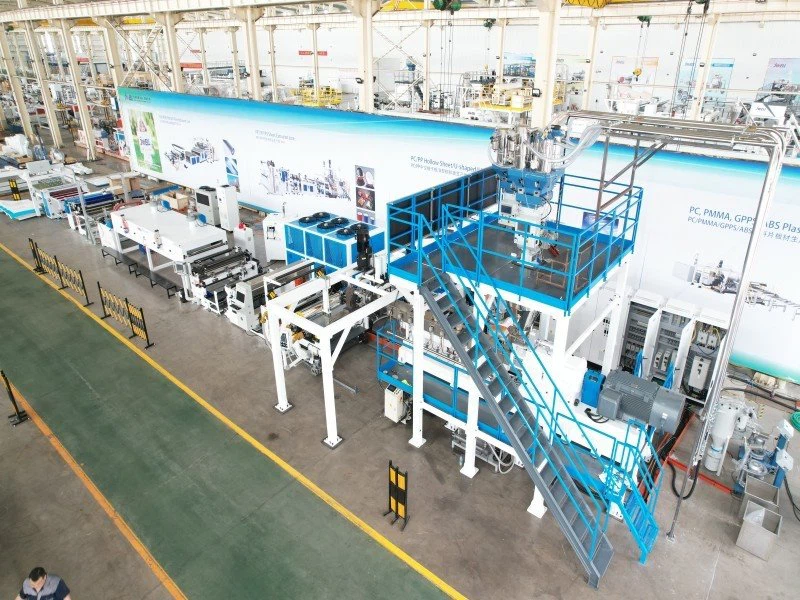
Sheet extrusion is a manufacturing process used to produce continuous sheets of plastic, rubber, or other materials. The process involves melting the raw material, forcing it through a die, and then cooling and shaping the extruded sheet. During this process, the components of the extrusion line are subjected to high levels of friction, pressure, and abrasion, which can lead to wear and tear over time.
Using wear-resistant materials in the construction of sheet extrusion lines helps to minimize this wear and tear, ensuring that the equipment operates efficiently and reliably for longer periods. This not only reduces maintenance costs and downtime but also improves the quality of the extruded sheets, resulting in higher productivity and profitability for manufacturers.

Common Wear-Resistant Materials Used in Sheet Extrusion Lines
1. Tool Steel
Tool steel is a popular choice for components in sheet extrusion lines due to its high hardness, toughness, and wear resistance. It is commonly used in the construction of screws, barrels, and dies, which are subjected to high levels of friction and abrasion during the extrusion process.
Tool steel alloys, such as D2, H13, and M2, offer excellent resistance to wear, heat, and corrosion, making them suitable for a wide range of applications. These alloys can be heat-treated to achieve specific hardness levels, allowing manufacturers to customize the properties of the components based on their specific requirements.
2. Tungsten Carbide
Tungsten carbide is a composite material made up of tungsten carbide particles embedded in a metallic binder, typically cobalt. It is known for its exceptional hardness, wear resistance, and high-temperature strength, making it an ideal material for applications where extreme wear and abrasion are expected.
In sheet extrusion lines, tungsten carbide is commonly used in the coating of screws, barrels, and dies to improve their wear resistance. The coating can be applied using various techniques, such as thermal spraying or chemical vapor deposition, to create a hard, durable surface that can withstand the harsh conditions of the extrusion process.
3. Ceramic Materials
Ceramic materials, such as alumina, zirconia, and silicon carbide, are known for their high hardness, wear resistance, and chemical inertness. They are commonly used in the construction of components that are exposed to high temperatures, corrosive environments, or abrasive materials.
In sheet extrusion lines, ceramic materials are often used in the manufacture of nozzles, filters, and other components that come into contact with the molten material. These materials offer excellent resistance to wear and corrosion, ensuring that the components maintain their performance and integrity over time.
4. Hard Chrome Plating
Hard chrome plating is a surface treatment process that involves depositing a thin layer of chromium onto the surface of a component to improve its wear resistance, corrosion resistance, and hardness. It is a cost-effective way to enhance the performance of components in sheet extrusion lines, especially those made of steel or other metals.
Hard chrome plating can be applied to a variety of components, including screws, barrels, and dies, to provide a smooth, hard surface that reduces friction and wear. The plating can also improve the release properties of the components, making it easier to remove the extruded sheet from the die.
Applications of Wear-Resistant Materials in Sheet Extrusion Lines
1. Screws and Barrels
Screws and barrels are the heart of a sheet extrusion line, responsible for melting, mixing, and conveying the raw material through the extrusion process. These components are subjected to high levels of friction, pressure, and abrasion, which can cause wear and tear over time.
Using wear-resistant materials, such as tool steel or tungsten carbide, in the construction of screws and barrels helps to minimize this wear and tear, ensuring that the components maintain their performance and efficiency for longer periods. This not only reduces maintenance costs and downtime but also improves the quality of the extruded sheets, resulting in higher productivity and profitability for manufacturers.
2. Dies
Dies are used to shape the extruded sheet into the desired thickness and width. They are subjected to high levels of pressure and temperature, as well as contact with the molten material, which can cause wear and corrosion over time.
Using wear-resistant materials, such as tool steel or ceramic materials, in the construction of dies helps to minimize this wear and corrosion, ensuring that the dies maintain their shape and accuracy for longer periods. This not only improves the quality of the extruded sheets but also reduces the need for frequent die changes, resulting in higher productivity and cost savings for manufacturers.
3. Rollers and Calenders
Rollers and calenders are used to cool, shape, and finish the extruded sheet. They are subjected to high levels of pressure and friction, as well as contact with the hot, sticky material, which can cause wear and tear over time.
Using wear-resistant materials, such as hard chrome plating or ceramic materials, in the construction of rollers and calenders helps to minimize this wear and tear, ensuring that the components maintain their smooth surface and accurate dimensions for longer periods. This not only improves the quality of the extruded sheets but also reduces the need for frequent maintenance and replacement, resulting in higher productivity and cost savings for manufacturers.
Benefits of Using Wear-Resistant Materials in Sheet Extrusion Lines
1. Extended Equipment Lifespan
By using wear-resistant materials in the construction of sheet extrusion lines, manufacturers can significantly extend the lifespan of their equipment. This reduces the need for frequent maintenance and replacement, resulting in lower costs and higher productivity.
2. Improved Product Quality
Wear-resistant materials help to maintain the accuracy and consistency of the components in a sheet extrusion line, ensuring that the extruded sheets have a uniform thickness, width, and surface finish. This improves the quality of the final product, making it more attractive to customers and increasing its market value.
3. Reduced Downtime
Minimizing wear and tear on the components of a sheet extrusion line reduces the frequency of breakdowns and maintenance, resulting in less downtime and higher productivity. This allows manufacturers to meet their production targets more efficiently and effectively.
4. Cost Savings
Using wear-resistant materials may require a higher initial investment, but it can result in significant cost savings over the long term. By reducing maintenance costs, downtime, and the need for frequent replacement of components, manufacturers can improve their bottom line and increase their profitability.
Conclusion
In conclusion, wear-resistant materials play a crucial role in the performance and longevity of sheet extrusion lines. By using these materials in the construction of critical components, such as screws, barrels, dies, rollers, and calenders, manufacturers can minimize wear and tear, improve product quality, reduce downtime, and achieve significant cost savings.
As a leading supplier of sheet extrusion lines, we offer a wide range of equipment and solutions that incorporate the latest wear-resistant materials and technologies. Our PLA Degradable Sheet Extrusion Line, Optical Grade PC PMMA Sheet Extrusion Equipment, and PET GAG Sheet Extrusion Machine are designed to provide high performance, reliability, and efficiency, ensuring that our customers can meet their production needs and achieve their business goals.
If you're interested in learning more about our sheet extrusion lines or discussing your specific requirements, please don't hesitate to contact us. Our team of experts is ready to assist you in finding the right solution for your business.
References
- "Plastics Extrusion Technology" by Allan A. Griff
- "Handbook of Plastic Extrusion Technology" by John F. Carley
- "Wear-Resistant Materials: Selection, Testing, and Applications" by George E. Totten